
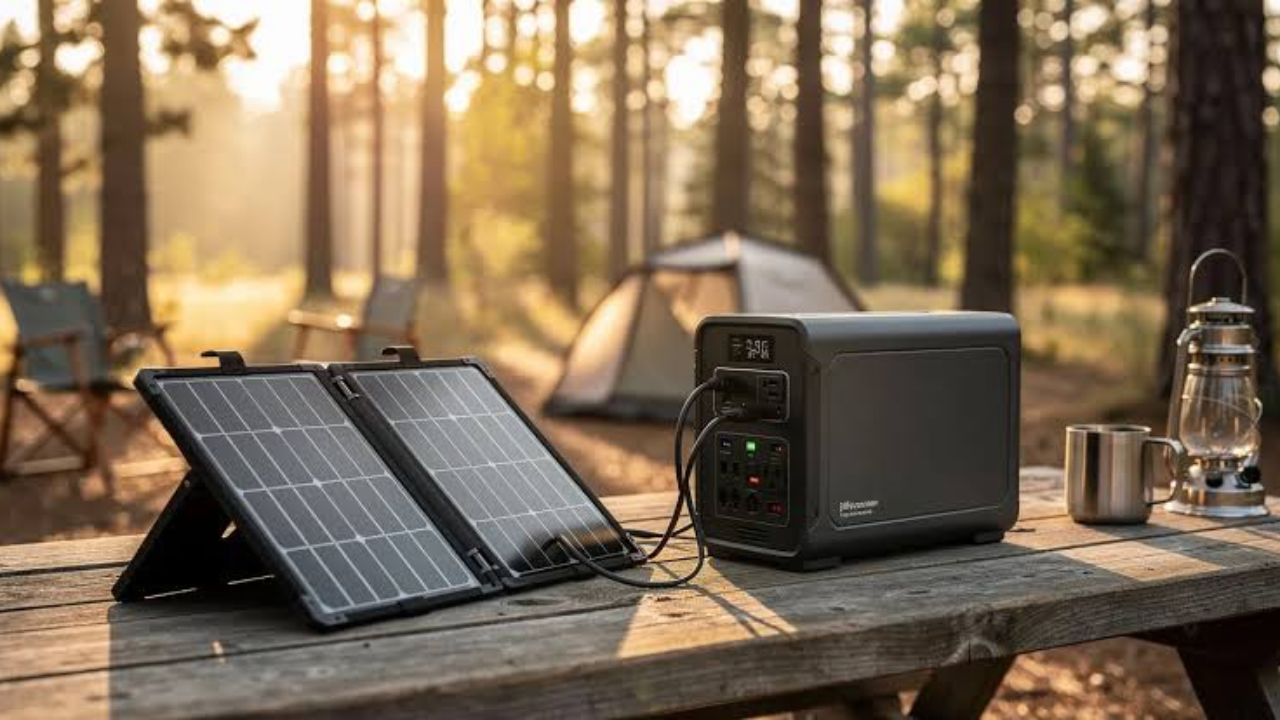
Access to reliable electricity is important at home, while traveling, camping, or dealing with an unexpected power outage. Jackery is a power-solutions brand that offers portable power stations, solar generators, solar panels, battery packs, and related accessories for different power needs. Its products are designed for both outdoor use and home backup situations.
Jackery products are available in different sizes and power capacities. This gives users the option to choose a smaller portable unit for basic devices or a larger system for higher-power needs. The product range also includes expandable solutions designed for users who need more stored energy over time.
What Is Jackery?
Jackery is a brand that develops portable and solar-based power solutions. Its product range includes portable power stations, solar generators, solar panels, battery packs, and power accessories. These products can be used in places where traditional wall power is not available or when users want an additional source of backup electricity.
A Jackery portable power station stores electrical energy in an internal battery and provides power through its available outlets and ports. Depending on the model, users can power different types of electronics and appliances. Capacity and output vary between models, so choosing the right unit depends on what devices need to be powered and for how long.
Jackery also offers solar generators that combine a power station with solar panels. Solar panels capture energy from sunlight, while the power station stores that energy for later use. This setup can be useful for camping, RV trips, outdoor activities, and backup power needs.
How Does Jackery Work?
Jackery power stations work by storing electrical energy inside a rechargeable battery. The stored energy can then be used to run compatible devices through the station’s available power outlets and charging ports.
There are several ways to recharge compatible Jackery power stations. Depending on the model, charging options can include wall charging, car charging, and solar charging. Solar-compatible systems allow users to connect Jackery solar panels and collect energy from sunlight.
The amount of power available depends on the battery capacity and the energy requirements of the connected devices. For this reason, users should check the capacity, output rating, and supported connections before choosing a particular model.
Portable Power Stations
Portable power stations are one of Jackery’s main product categories. They provide stored electricity in a portable format and can be used for activities such as camping, travel, outdoor work, and emergency backup.
Jackery currently offers models across a wide range of capacities and output levels. For example, its product range includes smaller units such as the Explorer 300 v2 and larger systems such as the Explorer 5000 Plus. This range allows users to consider different power requirements instead of relying on one standard-size unit.
Smaller power stations may be suitable for charging personal electronics and running lower-power devices. Larger models can support greater power demands and may be designed for home backup or more demanding outdoor applications.
Solar Generators
Jackery solar generators combine a portable power station with solar panels. The panels collect solar energy, and the power station stores that energy for use when needed.
This type of system can be useful for people who spend time outdoors or want an alternative way to recharge their power station. Jackery offers solar generator systems in different capacities, including models intended for camping, RV use, and home backup.
Solar charging performance can depend on factors such as sunlight, weather, panel setup, and the specific equipment being used. Users should therefore consider their environment and expected power needs when planning a solar setup.
Jackery for Camping and RV Use
Jackery products are designed for several outdoor situations, including camping and RV travel. A portable power station can provide electricity for compatible electronics and appliances when access to a traditional electrical outlet is limited.
For camping, a smaller unit may be useful when the main goal is charging phones, lights, cameras, or other low-power devices. RV users may need a larger capacity depending on the appliances they plan to operate.
Jackery for Home Backup
Jackery also offers products designed for home backup. Its current range includes systems with higher capacities and expandable battery options for users who need more stored energy.
A home backup system can provide power to selected compatible devices during an outage. However, the amount of equipment a system can operate depends on its capacity, output, and the power requirements of those devices.
Who Can Use Jackery?
Jackery can be useful for different types of users, including:
- Campers who need portable electricity outdoors.
- RV travelers who want additional power while traveling.
- Homeowners looking for backup power options.
- Off-grid users who need alternative ways to access electricity.
- Outdoor workers who need portable power at job locations.
- Travelers and adventurers who want rechargeable power away from traditional outlets.
The right Jackery product depends on the user’s actual power requirements, portability needs, charging options, and budget.
Find Your Jackery Power Solution
Jackery Features
1. Portable Power Stations
One of Jackery’s main product categories is portable power stations. These devices store electrical energy in a rechargeable battery and provide power through different outlets and ports.
The size and capacity can vary between models. Smaller units can be useful for personal electronics and low-power devices, while larger models are designed for higher energy demands. This range makes it possible to choose a power station based on the devices you need to operate.
Portability is also an important part of the design. Depending on the model, a Jackery power station can be used at home, in an RV, at a campsite, or in other locations where access to a standard outlet may be limited.
2. Solar Charging
Jackery offers solar panels that can be paired with compatible power stations. Solar panels collect energy from sunlight, which can then be stored in the power station’s battery.
This gives users another way to recharge their portable power system without depending only on a traditional wall outlet. Solar charging can be especially useful for camping, outdoor activities, RV trips, and off-grid situations.
Actual solar charging performance depends on sunlight, weather conditions, panel positioning, and the specific Jackery equipment being used. Users should check compatibility and charging specifications before creating a solar setup.
3. Different Power Capacities
Not every user needs the same amount of electricity. Jackery offers power stations with different battery capacities and output levels to support different requirements.
A smaller power station may be suitable for charging smartphones, tablets, cameras, lights, and other personal electronics. A larger system may be more appropriate for appliances or longer backup periods.
Choosing capacity based on real power needs can help prevent buying a system that is either too small or larger than necessary.
4. Multiple Charging Options
Depending on the model, Jackery power stations can support different charging methods. These may include AC wall charging, car charging, and solar charging.
Having more than one charging option can make a power station more flexible. For example, a user may charge it at home before a trip, recharge it from a vehicle while traveling, or use compatible solar panels when outdoors.
The available charging methods and charging speeds differ by model, so checking the specifications of the selected unit is important.
5. Powering Multiple Devices
Many Jackery power stations include a combination of AC outlets, USB ports, and other connections. This allows users to connect compatible devices without needing separate power sources for every item.
For example, someone at a campsite may need to charge a phone while also powering a light or another small electronic device. The number and type of available ports depend on the particular model.
Users should always compare the power requirements of their devices with the power station’s output limits before connecting equipment.
6. Home Backup Power
Jackery also offers larger power systems for home backup applications. These products are designed to store electricity that can be used when regular power is unavailable.
A backup power station can be useful for keeping selected electronics and compatible appliances operating during an outage. The actual backup time depends on battery capacity, connected devices, and how much electricity those devices consume.
For larger home requirements, users should carefully review the system’s output, battery capacity, expansion options, and supported connections.
7. RV and Outdoor Use
Jackery products are commonly designed with outdoor applications in mind. Portable power stations can be used for camping, road trips, RV travel, and other activities where traditional electrical outlets may not be convenient.
For RV owners, the appropriate model depends on the appliances and electronics they want to use. A unit that works well for phones and lights may not provide enough capacity for larger appliances.
Portability, battery capacity, charging options, and available outlets are therefore important factors when selecting a Jackery system for travel.
8. Expandable Power Options
Some Jackery systems support additional battery capacity or expandable configurations. This can be useful for users whose energy requirements may increase over time.
Instead of selecting a small system and replacing it later, an expandable setup can provide a way to increase stored energy when supported by the specific product.
Expansion features are not the same across every Jackery model. Users should check the compatibility and expansion limits of a particular system before purchasing additional batteries or accessories.
9. Easy-to-Understand Power Information
Portable power stations can provide useful information about battery levels, charging status, power usage, and other operating details. Depending on the model, this information may be displayed through the unit itself or through supported smart features.
Seeing this information can help users understand how much stored power remains and when the system needs to be recharged.
Understanding battery capacity and current power use is particularly useful during longer trips or power outages.
10. Smart Features on Supported Models
Some Jackery products include smart features that can provide additional control or monitoring options. Depending on the model, users may be able to monitor information such as battery status and power usage through supported connectivity features.
Smart functions can make it easier to keep track of a power station without constantly checking the device itself.
Because smart capabilities vary by product, users should review the specifications of the exact model they are considering.
11. Portable Solar Energy
Jackery’s combination of portable power stations and solar panels gives users a way to create a portable solar power setup.
This can be useful for outdoor users who want to recharge their battery system using sunlight. It can also provide an alternative charging method when access to a standard electrical outlet is limited.
Solar power is affected by environmental conditions, so it is important to consider expected sunlight and energy requirements when relying on solar charging.
12. Different Use Cases
Jackery products can support a variety of situations rather than being limited to one type of user.
Common applications include:
- Camping and outdoor recreation
- RV and road trips
- Home backup
- Emergency preparedness
- Outdoor work
- Travel
- Off-grid activities
- Charging personal electronics
The best setup depends on what the user needs to power and how long the stored energy needs to last.
Jackery Pros
- Wide Product Range – Offers different power stations, solar generators, panels, and accessories.
- Portable Power Options – Useful for camping, travel, RV use, and other outdoor activities.
- Solar Charging Support – Compatible systems can be recharged using solar energy.
- Different Capacity Choices – Users can choose from smaller and larger power solutions.
- Home Backup Options – Larger systems can be used for selected home backup needs.
Jackery Cons
- Different Features by Model – Charging options, ports, capacity, and smart features vary between products.
- Higher-Capacity Systems Can Cost More – Larger power systems generally require a bigger investment.
- Solar Charging Depends on Conditions – Charging from sunlight can vary with weather and available sunlight.
- Choosing the Right Model Requires Research – Users need to compare capacity, output, and device requirements before buying.
Using Jackery and Things to Consider
1. How to Get Started With Jackery
Getting started with a Jackery power station is usually straightforward. The first step is to choose a model based on the devices you want to power, how long you need backup power, and where you plan to use it.
Before using the unit, read the product instructions and check its battery capacity, output rating, ports, and charging options. These specifications help you understand what the power station can safely support.
2. Choose the Right Jackery Model
Jackery offers power stations in different sizes and capacities. A smaller model may work well for phones, tablets, cameras, lights, and other low-power electronics. Larger systems may be better suited to higher energy requirements or home backup applications.
Think about the devices you use most often and their power requirements. Choosing based only on physical size or price may not give you enough capacity for your actual needs.
3. Check Your Power Requirements
Before purchasing or using a power station, make a list of the devices you want to connect. Check the wattage or power requirements of each device.
For example, charging a smartphone requires much less power than running a larger appliance. If you plan to use several devices at the same time, you also need to consider their combined power requirements.
This simple check can help you select a power station with suitable capacity and output.
4. Charge the Power Station
Depending on the model, Jackery power stations can support different charging methods. These may include AC wall charging, car charging, and solar charging.
For home use, wall charging can prepare the unit before an outdoor trip or possible power outage. When traveling, compatible car charging can provide another option.
If the model supports solar charging, compatible Jackery solar panels can be used to collect energy from sunlight.
5. Using Jackery With Solar Panels
Solar charging can be useful when you are camping, traveling, or spending time away from traditional power sources. The solar panels collect energy from sunlight and send it to the compatible power station.
For better solar charging, panel placement and sunlight conditions matter. Clouds, shade, weather, and the position of the panels can affect how much energy is collected.
Users should also check the solar input specifications and compatibility before connecting panels to a power station.
6. Connecting Your Devices
Once the power station has enough stored energy, compatible devices can be connected through the available ports.
Depending on the model, connections may include AC outlets, USB ports, and other power outputs. This allows users to charge or operate different electronics from the same power station.
Always check the power requirements of your device before connecting it. Do not assume that every appliance can be powered simply because it has a standard plug.
7. Using Jackery for Camping
Jackery can be useful for camping when access to regular electricity is limited. A portable power station can provide stored energy for compatible electronics such as phones, cameras, lights, and other equipment.
The ideal capacity depends on the length of the trip and the number of devices being used. For a short trip with only a few small devices, a smaller unit may be enough. Longer trips or higher-power equipment may require greater capacity.
8. Using Jackery for RV Travel
RV users often have different power requirements because they may want to operate several types of equipment while traveling.
Before choosing a Jackery system for an RV, consider the appliances you plan to use and how much energy they consume. You should also consider how the power station will be recharged during the trip.
Solar panels can provide an additional charging option for compatible systems, particularly during outdoor travel.
9. Using Jackery for Home Backup
Jackery power stations can also be used as a backup source for selected devices during a power outage. A suitable system can help provide stored electricity for compatible electronics and appliances.
However, backup time depends on several factors, including battery capacity and the amount of power being used.
Instead of connecting everything in the home, users should identify the most important devices they want to keep running and choose a system accordingly.
10. Checking Battery Capacity
Battery capacity is one of the most important specifications to understand. It indicates how much energy the power station can store.
A larger battery generally provides more stored energy, but the actual runtime depends on the power consumption of the connected devices and other operating factors.
When comparing Jackery models, do not look at battery capacity alone. Output power, charging speed, available ports, size, and intended use are also important.
11. Understanding Output Power
Output power tells you what types of devices a power station can support. Every model has limits, and different devices require different amounts of power.
Some electronics have a higher starting power requirement than their normal operating power. This is particularly important when considering appliances with motors or compressors.
Checking the manufacturer’s specifications and your device requirements before use can help avoid choosing an unsuitable system.
12. Maintaining Your Jackery Power Station
Proper care can help you keep your power station ready for use. Keep the unit in an appropriate environment and follow the manufacturer’s storage and charging instructions.
Avoid exposing the power station to conditions outside its specified operating range. Keep ports and connectors clean and inspect cables before use.
If you plan to store the unit for an extended period, follow the recommended storage instructions for that particular model.
13. Things to Consider Before Choosing Jackery
Before buying a Jackery product, consider these factors:
- Battery Capacity: How much stored energy do you need?
- Output Power: What devices do you want to operate?
- Charging Options: Will you use wall, car, or solar charging?
- Portability: Do you need to carry the unit regularly?
- Solar Compatibility: Do you plan to recharge using solar panels?
- Backup Requirements: Is the unit mainly for travel or home backup?
- Expansion: Do you need additional battery capacity in the future?
- Budget: How much are you comfortable spending?
Answering these questions can make the selection process easier.
14. Plans, Models, and Feature Availability
Jackery has different product models, and their specifications are not identical. Features such as battery capacity, output, charging speed, solar input, connectivity, and expansion support can vary.
For this reason, it is better to compare the exact models you are considering instead of assuming that every Jackery power station offers the same features.
Product specifications can also change over time, so users should check the current details before making a purchase.
15. Is Jackery Right for You?
Jackery may be worth considering if you need portable electricity for camping, RV travel, outdoor activities, emergency preparation, or selected home backup needs.
The important question is not simply whether a power station is available. It is whether the capacity and output match your actual requirements.
Someone who mainly needs to charge phones and small electronics may have very different needs from someone looking for backup power for several household devices.
Final Thoughts
Jackery provides portable power stations and solar-based solutions for a variety of everyday and outdoor situations. Getting the most from a power station starts with understanding your energy requirements and choosing a model that matches them.
Before buying, compare battery capacity, output power, charging methods, portability, solar compatibility, available ports, and any expansion features. Also consider how you plan to use the system and how often you will need to recharge it.
With these factors in mind, users can make a more informed choice and select a Jackery power solution that fits their specific power needs.
Jackery FAQs
1. What Is Jackery?
Jackery is a brand that offers portable power stations, solar generators, solar panels, and related power accessories. Its products are designed for uses such as camping, RV travel, outdoor activities, emergency backup, and selected home power needs.
2. What Is a Jackery Power Station Used For?
A Jackery power station stores electrical energy in a rechargeable battery and can provide power to compatible devices through its available outlets and ports. Depending on the model, it can be used for charging electronics, outdoor activities, travel, RV use, and backup power.
3. Can Jackery Power Stations Be Charged With Solar Panels?
Yes, compatible Jackery power stations can be paired with Jackery solar panels for solar charging. The panels collect energy from sunlight and send it to the power station. Solar charging performance can vary depending on sunlight, weather, panel placement, and the specific model.
4. Can Jackery Be Used During a Power Outage?
Yes, Jackery power stations can provide stored electricity for compatible devices during a power outage. The amount of backup available depends on the battery capacity, output limits, and power consumption of the connected devices.
5. How Do I Choose the Right Jackery Model?
Start by identifying the devices you want to power and checking their power requirements. Then compare Jackery models based on battery capacity, output power, charging methods, portability, available ports, solar compatibility, and other features you may need. Choosing based on your actual power requirements can help you find a suitable model.
