
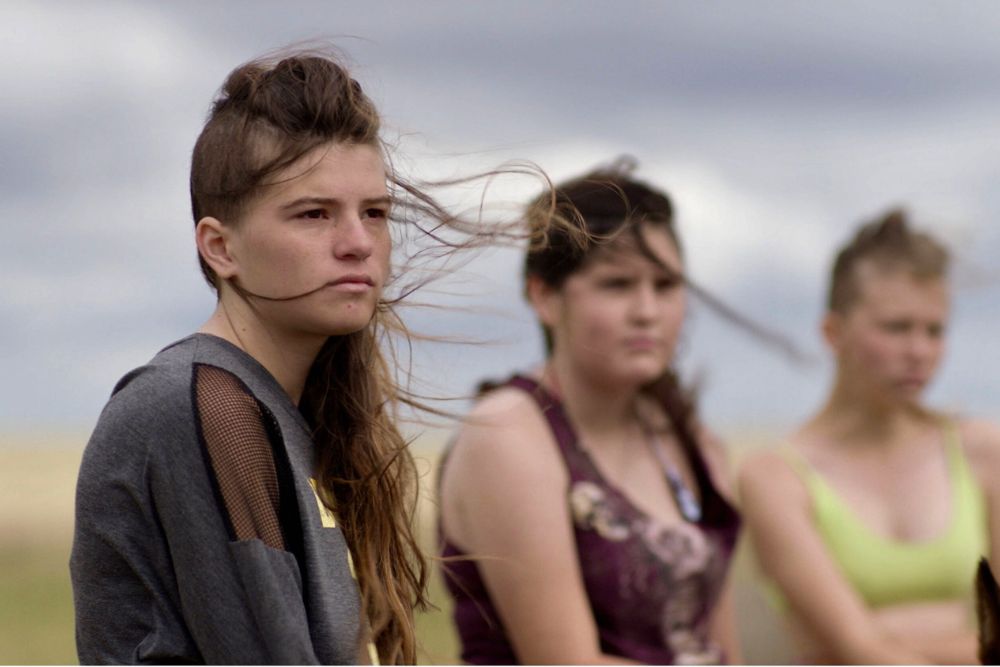
Kate Beecroft’s debut feature film, East of Wall, has quickly become one of the standout films of the year. Winning the Audience Award at the 2025 Sundance Film Festival, this heartfelt drama dives deep into the life of Tabatha Zimiga, played by Tabatha Zimiga herself. Blending real-life ranching with cinematic storytelling, East of Wall is a poignant exploration of grief, resilience, and family bonds, anchored by a truly mesmerizing performance from the Zimiga family.
A Sincere Story Rooted in Reality
In East of Wall, Tabatha Zimiga portrays a character remarkably close to her real-life self. A rancher who trains and sells horses, Tabatha finds herself in a dire situation after her husband’s tragic suicide, leaving her with a 3,000-acre ranch and a three-year-old son to care for. To keep things running, she trains horses with her daughter Porshia Zimiga, who also plays herself in the film, and sells them at auction.
Despite her remarkable bond with the horses and her deep sense of responsibility, Tabatha is struggling to make ends meet. At times, she even has to send her daughter to the store without her just to avoid paying the full grocery bill. The Zimigas‘ dedication to their work and family is both inspiring and heart-wrenching, showing the sacrifices made to survive in an unforgiving world.
A Complex Character Study of Tabatha Zimiga
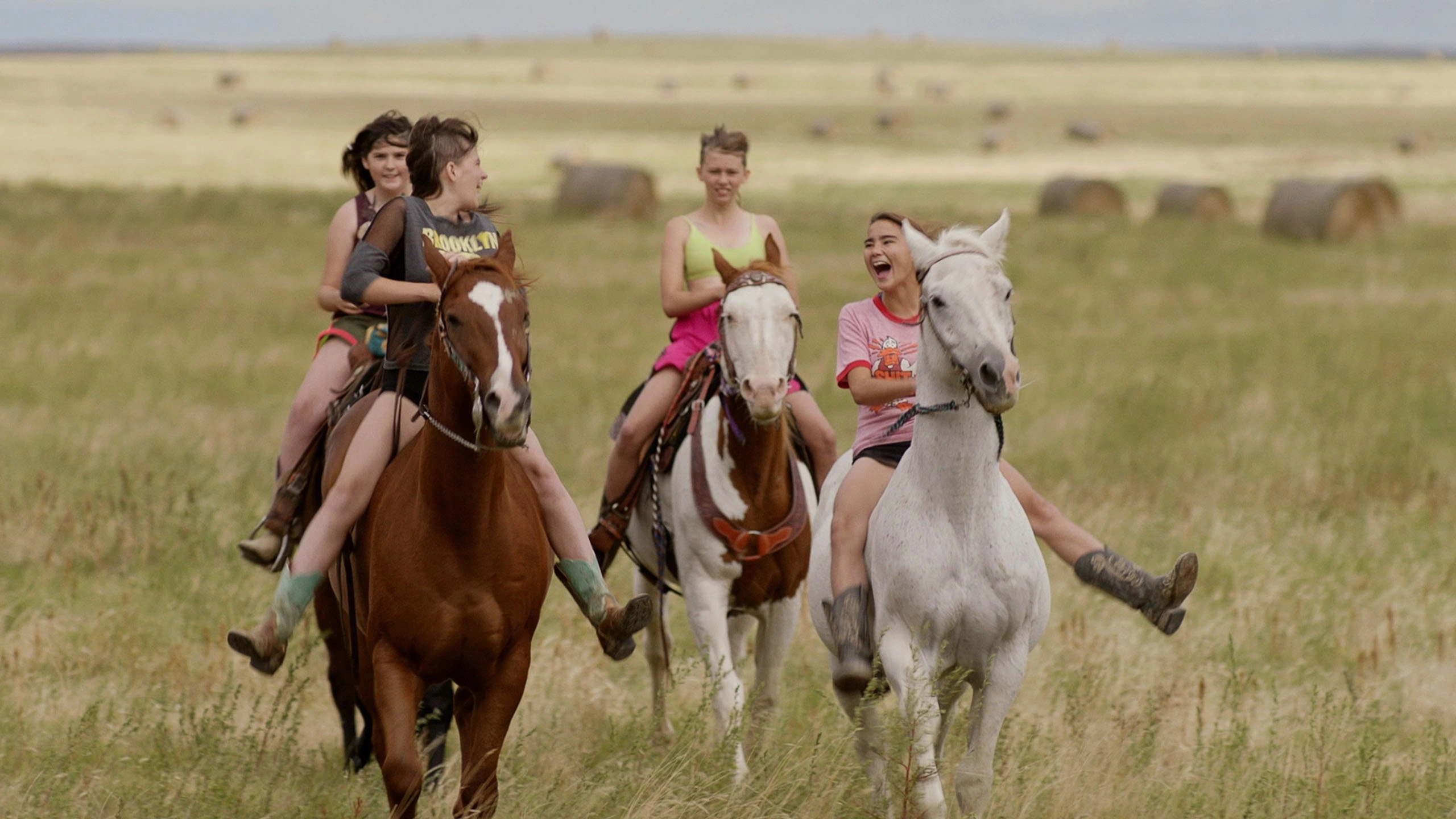
What makes East of Wall stand out is its portrayal of Tabatha’s inner conflict. Not only does she have to manage her family’s financial struggles, but she also finds herself becoming an accidental caretaker for local children who are neglected by their parents. Her selflessness and willingness to take on more than she can handle make her an incredibly complex and empathetic character. We witness the slow, inevitable self-destruction that comes with her relentless giving, knowing that her kindness will eventually break her down.
The Arrival of Roy (Scott McNairy)
The tension in the film heightens when Roy (played by Scott McNairy), a wealthy Texan with an eye for talent, offers Tabatha an opportunity she feels she can’t refuse. He wants to buy the ranch and hire her as an employee. While Roy initially seems like a good guy—he’s not a villain looking to take everything away from her—it’s clear that his motives are tied to his own past, particularly the loss of his child, which he sees reflected in Tabatha’s daughter. The interaction between Tabatha and Roy creates an emotional tug-of-war, one that pulls Tabatha into a future where her family’s legacy is at risk.
The Film’s Stunning Realism and Performances
What really drives East of Wall is the raw, naturalistic performances from the cast. Tabatha and Porshia Zimiga, playing fictionalized versions of themselves, deliver performances that feel authentic and unfiltered. There is an undeniable chemistry between them, and their portrayal of ranch life feels more like an immersive documentary than a scripted drama. The Zimigas’ performances are so captivating that it’s hard to tell where reality ends and fiction begins.

In addition to the Zimiga duo, Jennifer Ehle plays Tracey, Tabatha’s mother, and her presence, along with Scoot McNairy’s portrayal of Roy, adds significant depth to the film. However, East of Wall is not about these veteran actors overshadowing the central performances. Instead, Beecroft’s direction ensures that each actor—whether they appear in a major role or just one scene—gets a moment to shine.
One powerful scene occurs when a group of older women, gathered to celebrate Tracey’s birthday, share drunken stories by the fire. Tabatha delivers a poignant monologue, but so do the other women around her, highlighting the collective strength of the community and the shared experiences that bind them.
Why East of Wall is Unputdownable
One of the most remarkable things about East of Wall is the way it keeps you enthralled from start to finish. The film’s portrayal of ranching life, combined with deeply human struggles like grief and family responsibility, creates a film that’s impossible to look away from. You could call it “captivating,” “spellbinding,” or “beautiful,” but those descriptors feel too small for a film that’s truly unputdownable. Beecroft’s debut is a nourishing experience, drawing you in and leaving you full, emotionally invested in every twist and turn of Tabatha’s story.
Conclusion: A Must-Watch Sundance Sensation
East of Wall is not just another indie film—it’s a Sundance sensation that blends personal narrative with universal themes of family and self-sacrifice. With its heartfelt performances, realistic portrayal of ranch life, and emotionally complex characters, it’s a film that will stick with you long after the credits roll. Kate Beecroft has created a debut that’s as sincere as it is spellbinding, and it’s a journey worth taking.
For more updates on indie films, Sundance sensations, and upcoming releases, visit trendingnewsbuzz.com.
