

Pierre Tsigaridis’ Traumatika, released by Saban Films, is a dark exploration of trauma disguised as supernatural horror. Beneath its jump scares and eerie visuals inspired by Resident Evil and Amnesia, the movie examines how abuse and guilt fester across generations. While it blends demonic possession and slasher elements, the true terror lies in how unresolved pain twists innocent lives — especially those of Abigail, Mikey, and Alice.
The Origin of Volpaazu’s Curse
The movie opens in 1910 Egypt, where a grief-stricken father buries a demonic relic linked to Volpaazu, an entity that feeds on children’s souls. After losing his son Ashraf, he seals the statue beneath the sands before taking his own life. Nearly a century later, in Pasadena, 2002, the relic resurfaces in the hands of John Reed, a divorced father struggling to raise his daughters Abigail and Alice.
John’s friend Steve warns him never to open the relic, fearing it carries a dark curse. John ignores the warning and breaks the seal, unleashing Volpaazu’s spirit, which possesses him. What follows is not a story of demonic horror, but of human corruption cloaked in evil’s shadow.
Abigail’s Trauma and the Birth of a Monster
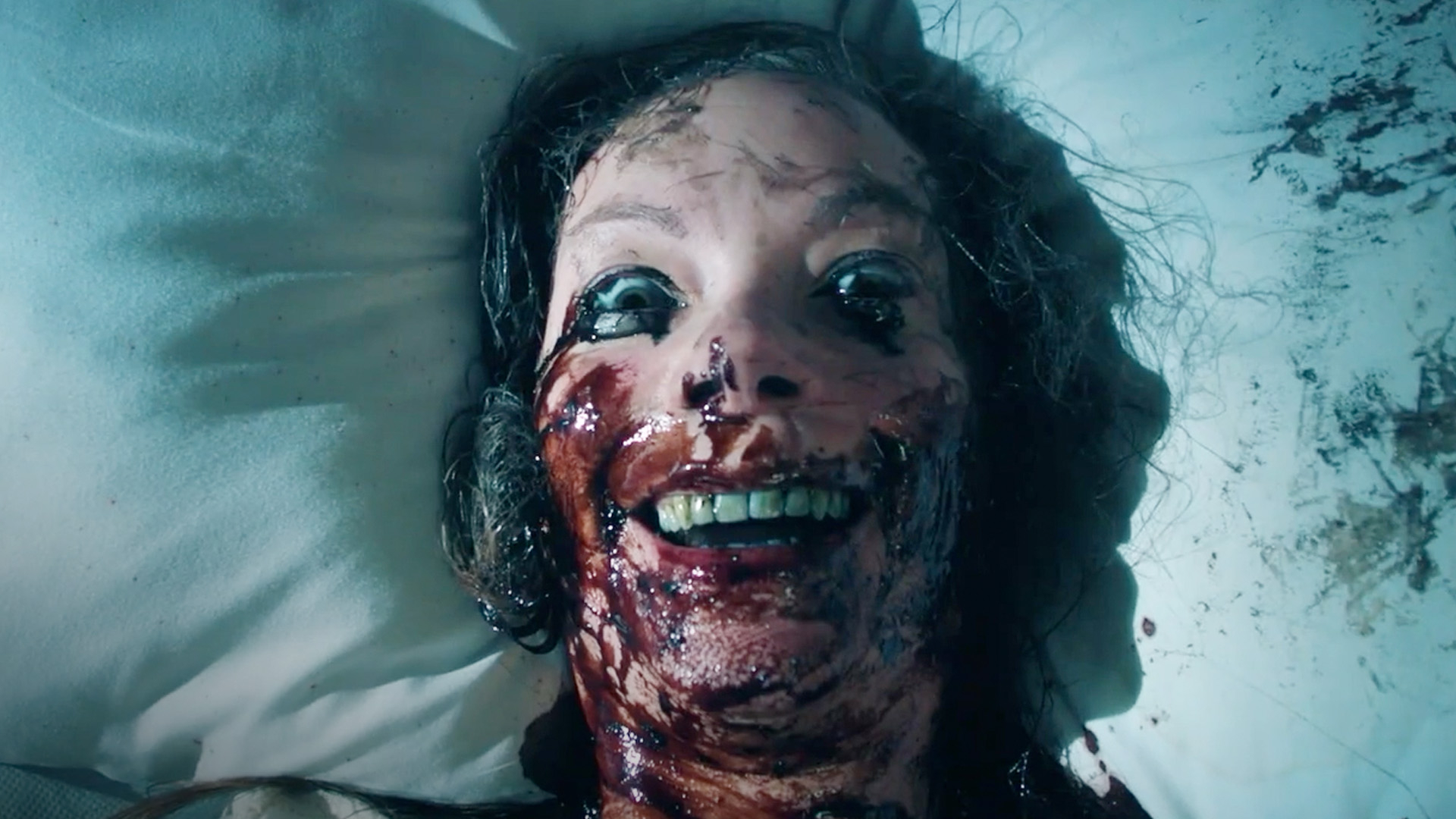
Under Volpaazu’s control, John commits horrific acts against his eldest daughter Abigail, who already suffers deep insecurities over her facial disfigurement. The film implies that while John blames the demon, his abuse might have existed long before the relic appeared — suggesting the entity merely magnifies human depravity.
Shattered by the trauma, Abigail flees home and hides in a decrepit house, pregnant and alone. Her attempt to end the pregnancy leaves her physically and emotionally scarred. When Volpaazu threatens to harm Alice, Abigail makes a desperate deal: she will serve the demon if it spares her sister. From that moment, her descent into madness becomes irreversible.
The Cycle of Violence and Mikey’s Torment
Bound by her bargain, Abigail kidnaps and murders young boys in an attempt to find a vessel strong enough for Volpaazu. Her victims’ corpses pile up in her basement, earning her the title of the Pasadena Butcher. When she abducts Mikey, a young boy craving affection, her fractured psyche tricks him into believing she’s his mother.
Officer Miller eventually tracks her down, only to be brutally murdered. In a moment of clarity, Abigail realizes what she’s become. She apologizes to Mikey and takes her own life. Rescued as the only survivor, Mikey’s mind fractures beyond repair. He grows up believing Abigail was his real mother — a victim transformed into his monster.
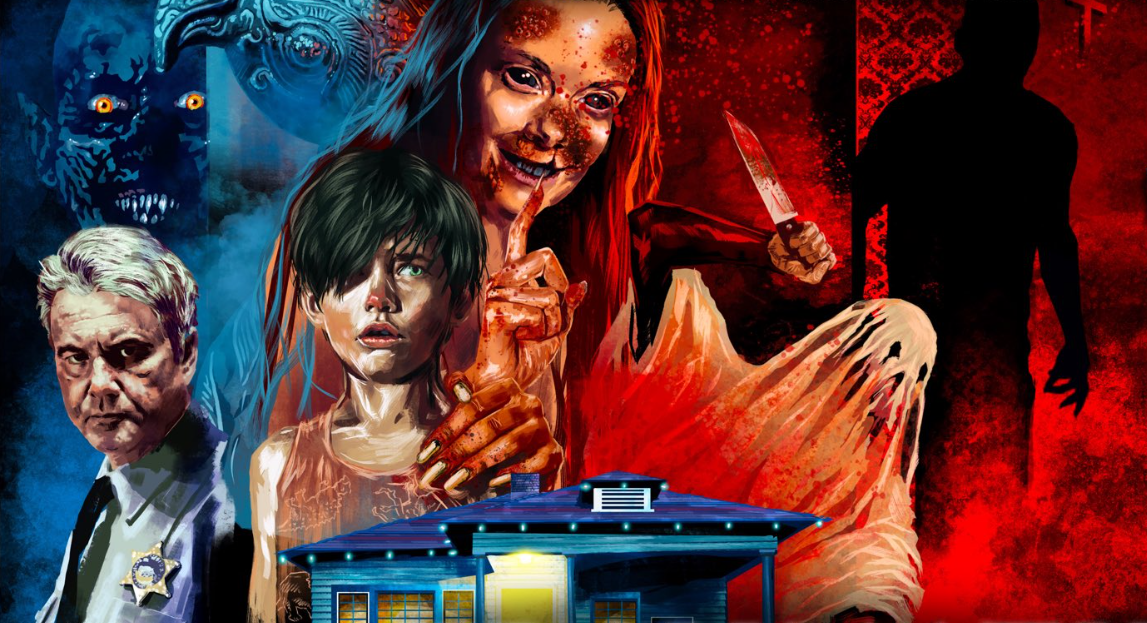
Unable to live with the guilt, John Reed kills himself, leaving Alice as the last surviving Reed, forever haunted by her family’s sins.
Twenty Years Later: Alice and the Exploitation of Pain
Two decades later, Alice has turned her sister’s tragedy into profit. Her bestselling memoir, “Mommy Monster,” sensationalizes Abigail’s crimes. During a TV interview with talk show host Jennifer Kovak, Alice expresses guilt for Mikey’s suffering but also admits her fame depends on her sister’s infamy.
Mikey, now an adult still plagued by hallucinations of Volpaazu, watches the interview. It reignites his obsession. On Halloween night, he disguises himself in a white ghost costume — a chilling echo of the children who come to Alice’s door — and forces his way into her home.
The Halloween Massacre
Mikey, delusional and haunted, begs Alice to “be his mother.” Terrified, she manages to take his gun and drive him away. Later, when her boyfriend Alex visits, Mikey returns and kills him. Consumed by the belief that he is Volpaazu’s chosen vessel, Mikey takes Alex’s uniform, creating a monstrous hybrid of ghost and slasher — the physical embodiment of trauma reborn.

He storms Jennifer’s studio, slaughtering everyone in sight. The massacre mirrors the cycle of exploitation — just as Volpaazu feeds on the innocent, Jennifer and Alice have fed on trauma for profit. When Alice arrives, she tries to calm Mikey, who attacks her in a haze of rage and delusion. Jennifer stabs Mikey to death, ending the rampage.
But in Traumatika, death is not release — it’s repetition. As Mikey’s body lies motionless, Jennifer, cold and calculating, turns to Alice and asks if she’s ready for “another interview.” The camera lingers on Alice’s vacant face, capturing the realization that she has become part of the same horror she tried to expose.
What Happened to Alice?
Alice survives, but not intact. She loses her partner, witnesses another massacre, and realizes she has exploited her sister’s victims for fame. Her survival feels hollow — a punishment for turning pain into profit. The film’s closing shot pans to the Volpaazu relic, now resting in Abigail’s old hideout, hinting that evil never truly dies. It waits for its next victim, its next storyteller, its next generation.
FAQs
1. Was Volpaazu real or symbolic?
The film keeps it ambiguous — Volpaazu may represent real demonic evil or the manifestation of generational trauma.
2. Why did Abigail kill children?
She believed serving the demon would protect her sister, Alice, but her actions only continued the cycle of abuse.
3. Who is Mikey, and why did he return?
Mikey was Abigail’s final victim who survived. His mind, shattered by trauma, led him to repeat the violence he endured.
4. What does the ending mean?
The ending criticizes society’s exploitation of pain — represented by Jennifer’s obsession with turning tragedy into entertainment.
5. Will there be a sequel?
The final shot of the relic suggests that Volpaazu’s curse — and humanity’s appetite for horror — will continue.
Final Thoughts
Traumatika ends not with redemption but with recursion. The evil that began with a buried relic evolves into the human capacity to exploit suffering. In Tsigaridis’ grim vision, the demon isn’t just Volpaazu — it’s the media, fame, and denial that thrive on trauma. The horror lives on, not in ghosts, but in the stories we choose to sell.
What did you think of Traumatika’s unsettling ending? Share your thoughts in the comments and join the discussion on TrendingNewsBuzz.com.
