


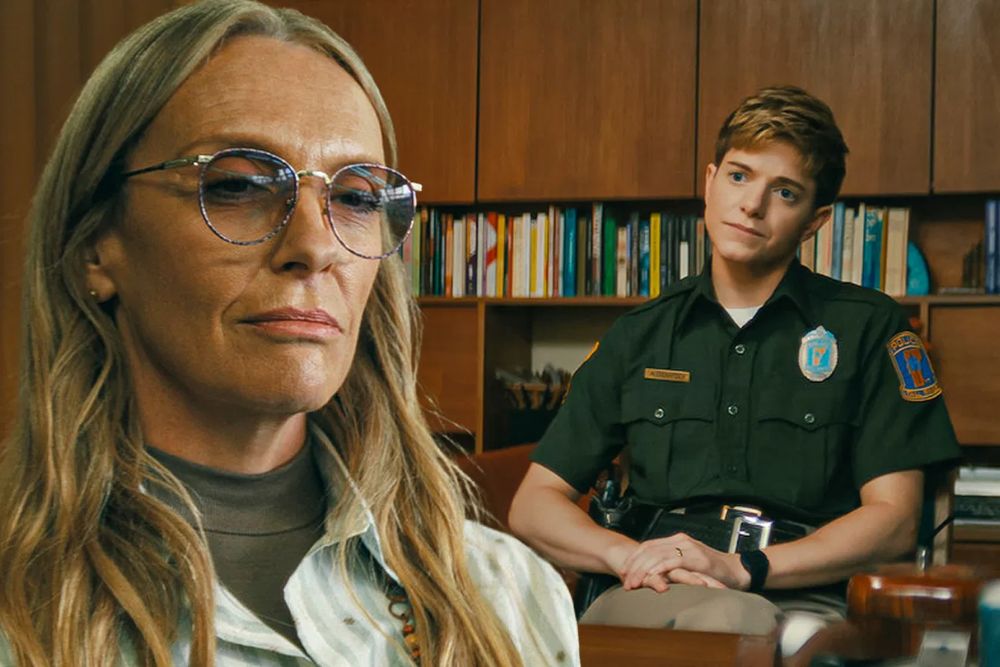
Netflix’s limited series Wayward explores deep themes of trauma, control, and the search for belonging. In the finale, the show reveals how even the best intentions can become part of the system that keeps individuals trapped. Here’s a deep dive into the series’ ending and what it truly says about healing and survival.
Wayward Season Finale Release Date & Streaming Information


Wayward has taken audiences by storm with its chilling exploration of trauma, manipulation, and survival. The series, which debuted on Netflix on September 25, 2025, offers viewers a complete look at the lives of its main characters as they face the brutal reality of life at Tall Pines Academy. With 8 episodes, each brimming with tension, the limited series culminates in a shocking, yet thought-provoking finale that brings its themes of control and trauma into sharp focus.
Wayward Ending: The Price of Belonging and Trauma
In the finale, Wayward reveals how trauma, control, and the longing for belonging influence the characters’ decisions. The fall of Evelyn Wade doesn’t end the cycle at Tall Pines Academy; it shifts the power dynamics within the community, leaving room for new figures to take the reins. The finale presents a complex and unsettling commentary on survival within oppressive systems, where escape may be impossible for some.
Laura (Sarah Gadon), who once saw Tall Pines as her salvation, becomes the new leader, continuing the cycle of control. Despite her desire to dismantle the system, the way she speaks, and the actions she takes, suggest that even the wounded can become part of the machinery of power. The series emphasizes that surviving an abusive system often means adopting its ways.
Laura’s Journey: From Survivor to Leader
Laura begins her journey in Wayward as a young woman who believes that Tall Pines “saved” her. As the series progresses, she uncovers the hidden abuse and manipulation that lay behind that salvation. Her shift from victim to leader is one of the show’s most striking developments. In the finale, Laura rallies the residents to resist Evelyn, yet her speeches echo the same cult-like language that once entrapped her.

Despite her good intentions, Laura’s journey serves as a cautionary tale about the dangers of surviving a system only to perpetuate it. Her transformation into a softer, more relatable figure seems to promise change, but the show suggests that true healing may require breaking free from the system entirely—a path Laura might not fully embrace.
Alex: Choosing Safety Over Truth
Alex (Mae Martin), whose investigative drive questions the lies behind Tall Pines, finds himself trapped between his desire for safety and his moral compass. As the series unfolds, Alex becomes increasingly entangled in the community’s complex web, particularly when Dwyane kidnaps him for the Leap—a ritual meant to sever parental bonds.
In the finale, Alex survives the ritual, only to return to Laura, who is now pregnant. However, his hesitation to leave Tall Pines demonstrates his deep internal conflict. Despite his moral clarity, the fear of the unknown and the promise of safety keep him tethered to a place that has caused him harm. Alex’s choice to stay, despite knowing better, highlights how trauma can keep individuals tied to a toxic environment, unable to fully break free.
Abbie & Leila: Resilience vs. Surrender
The escape attempts by Abbie (Sydney Topliffe) and Leila (Alyvia Alyn Lind) provide a stark contrast. While both seek freedom from Tall Pines, their journeys end in very different places. Abbie, despite being dyslexic and dismissed by her family, finds the strength to escape, with the help of Rory. Her act of rebellion is driven by her belief that freedom is worth the risk, even if the road ahead is uncertain.
:max_bytes(150000):strip_icc()/wayward-092525-1-a34ac150ed8e4284829ff259f47eec55.jpg)

In contrast, Leila, who seems tougher and more street-smart, ultimately chooses to stay. Guilt over her sister’s death, along with the promise of belonging and the painful realization that no one is waiting for her outside, draw her back to Tall Pines. Leila’s choice underscores the show’s message that survival isn’t just about toughness—it’s about whether you can still hope for something better beyond the reach of the system.
The Leap Ceremony: Rewriting Pain for Control
The Leap ceremony in Wayward symbolizes Tall Pines’ central lie—that healing can come from severing family bonds and rewriting memory. While the ceremony promises freedom, it only serves to reinforce the community’s control over its members. Psychedelics are used as tools of obedience, not liberation, as Evelyn Wade forces the community to erase or reshape their traumatic pasts.
When Rabbit intervenes and doses Evelyn instead, the ceremony becomes a metaphor for the reckoning that is long overdue. However, despite the ritual’s disruption, the institution of Tall Pines continues, albeit under new leadership. Laura’s attempts to end the Leap rituals hint that, while the methods may change, the community’s grip on its residents remains strong.
The Toads: Buried Trauma That Won’t Stay Hidden
Throughout the season, toads make several appearances in Laura’s dreams and at Evelyn’s office. These creatures serve as a powerful metaphor for the buried trauma and generational pain that Tall Pines tries to “cleanse.” Laura’s increasing obsession with the toads signals the return of her suppressed past, despite the Leap’s attempts to erase it.
Evelyn’s pet toad, kept in a terrarium, symbolizes her comfort with the very poison she claims to cure. These toads are an invasive presence, representing the wounds that refuse to stay buried, no matter how hard the system tries to suppress them.
Wayward Finale: Exposing the Cost of Healing and Control
In the end, Wayward doesn’t focus solely on the downfall of a villain; it reveals how systems of control adapt and persist. Evelyn’s fall doesn’t end Tall Pines’ toxic practices—it simply shifts the power to new hands. Laura’s ascension to leadership suggests that survival within such a system often means becoming part of it. Alex sacrifices truth for safety, and Abbie’s escape is the only clear break, though it comes with no guarantees.
The series offers a bleak, but nuanced perspective on healing: real freedom requires leaving the structure entirely. Yet, as the show demonstrates, not everyone has the courage, or the means, to break free. For many, trauma, belonging, and the desire for stability keep them trapped, even after the leader is gone.
Frequently Asked Questions (FAQs) About Wayward
1. What is the central theme of the Wayward finale?
The finale explores the lasting effects of trauma, control, and the price of belonging. The characters must choose between breaking free or remaining within the toxic system.
2. What does the Leap ceremony symbolize?
The Leap ceremony represents Tall Pines’ manipulation of its members, using psychedelics to erase traumatic memories and bind people to the community.
3. How does Laura’s character evolve in the series?
Laura transitions from a survivor of abuse to the new leader of Tall Pines, embodying the complexities of surviving and perpetuating the system she once sought to escape.
4. What is the significance of the toads in Wayward?
The toads represent buried trauma that cannot be hidden, symbolizing the generational pain that the community tries to cleanse but cannot fully erase.
5. Does Wayward offer a clear resolution?
The series ends ambiguously, with characters caught between escaping the system and choosing safety or stability, leaving the price of belonging unresolved.
Looking Ahead: What’s Next for Wayward?
As the credits roll, Wayward leaves viewers with lingering questions about healing and freedom. The shift in leadership at Tall Pines doesn’t bring the resolution many hoped for, but the series serves as a reminder that true escape often requires breaking free entirely. Stay tuned for potential future developments, as this chilling drama may leave room for even darker explorations of trauma and control.
What do you think of the ending? Share your thoughts in the comments and join the discussion on TrendingNewsBuzz.com!

