


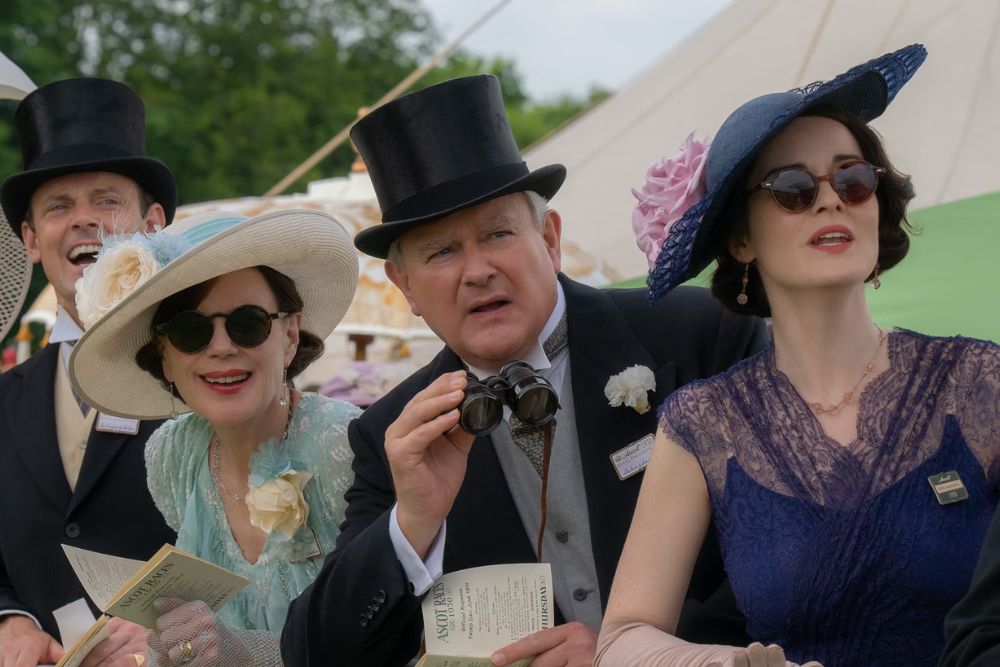
After fifteen years, six television seasons, and three films, Downton Abbey: The Grand Finale brings the Crawley family’s story to a heartfelt conclusion. Set in the early 1930s, the film focuses on Lady Mary (Michelle Dockery) as she assumes leadership of the estate while navigating the personal and societal challenges of her new role. With Julian Fellowes at the helm, the finale balances nostalgia, drama, and character-driven storytelling in a way that satisfies longtime fans.
Lady Mary Takes the Lead
The narrative centres on Lady Mary stepping into her authority at Downton Abbey following her divorce from Henry Talbot (Matthew Goode). Mary’s journey has been long in the making, evolving from the widow of Matthew Crawley (Dan Stevens) to the estate’s central figure. Her story in the finale highlights both her strength and vulnerability as she confronts London society’s subtle snobbery and the expectations of her Yorkshire surroundings. Fellowes carefully crafts her arc as a story of acceptance, resilience, and personal growth.
The Crawley Family in Transition


Lord Grantham (Hugh Bonneville) is still grappling with the death of his mother and the realization that the world he has dedicated his life to preserving is changing. Lady Cora (Elizabeth McGovern) faces her own challenges with her inheritance, complicated by her brother Harold Levinson’s (Paul Giamatti) financial mismanagement. These storylines, while modest in scale compared to previous cinematic installments, anchor the narrative in the Crawleys’ ongoing struggle to maintain Downton Abbey as both a family home and a symbol of tradition.
The film avoids grandiose events like royal visits or foreign villa inheritances, instead functioning as an extended, character-driven episode that rewards fans for their investment in the series. Each principal character receives meaningful moments, even if some, like Edith (Laura Carmichael) and Tom (Allen Leech), have reduced roles compared to the ensemble’s earlier iterations.
Honouring Legacy Characters
While Maggie Smith’s Dowager Countess Violet Crawley is absent, her influence is felt throughout the film. Fellowes includes tributes and callbacks that honor her wit and wisdom, reminding audiences of her enduring presence in the franchise. New characters, like Lady Merton (Penelope Wilton), continue the playful sparring dynamics established in the series, maintaining a sense of continuity and homage.
Thomas Barrow (Robert James-Collier) also benefits from a subtle but poignant narrative. Fellowes’ handling of LGBTQ acceptance within Downton Abbey is remarkable, depicting a 1930s aristocracy that is quietly supportive of its queer members. This portrayal resonates in today’s social climate, giving Barrow’s story added significance and depth.
Themes of Acceptance and Adaptation
The film’s central theme revolves around acceptance—both personal and societal. Lady Mary must navigate her status as a divorcee in a conservative society, while Lord Grantham comes to terms with the changing world around him. Fellowes uses these arcs to explore the tension between tradition and progress, while still celebrating the enduring charm and significance of Downton Abbey as a cultural and familial touchstone.
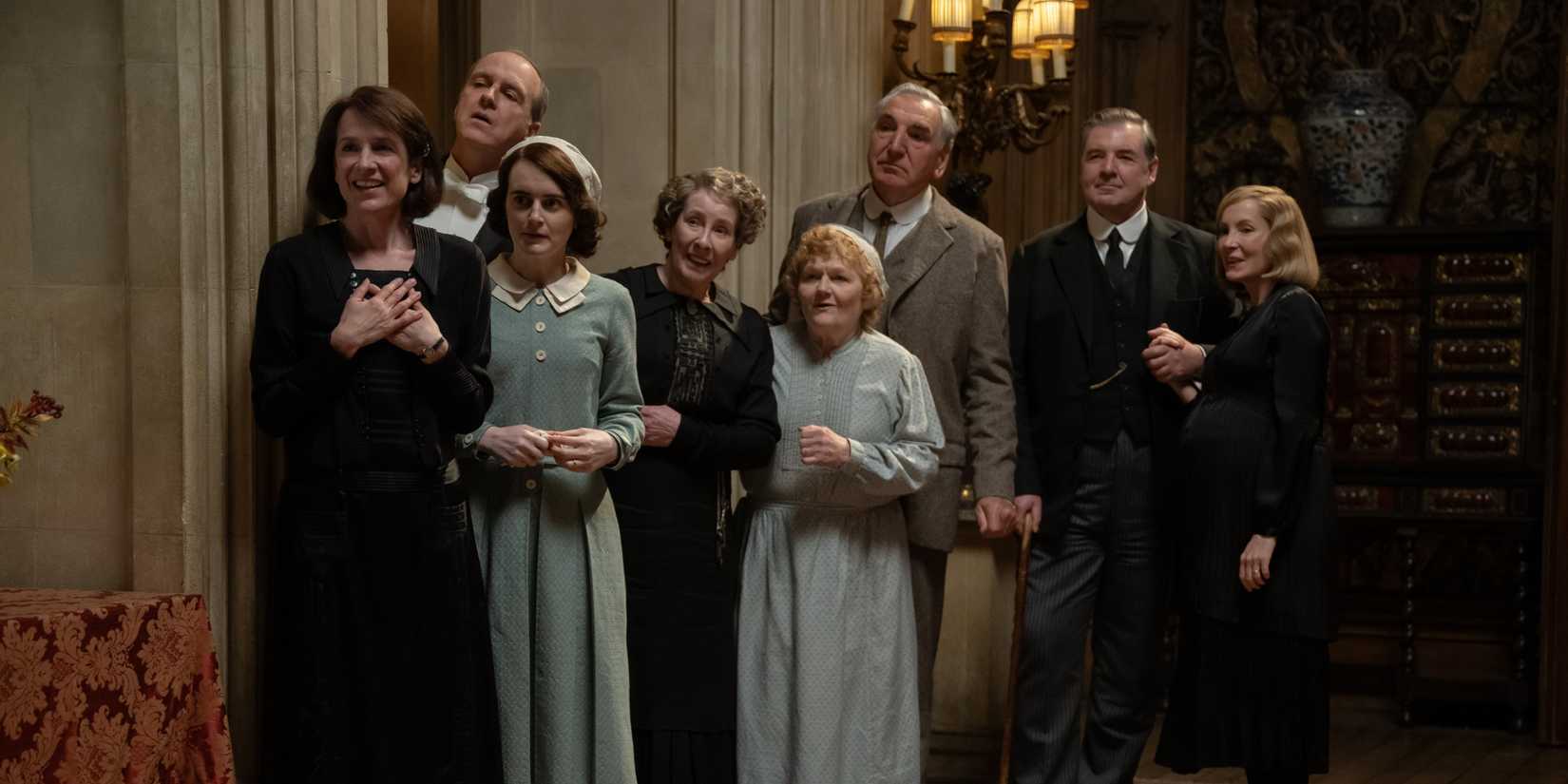

Though the pacing occasionally feels rushed, with characters moving swiftly through dialogue-heavy scenes, the 124-minute runtime allows the story to capture the essential triumphs and trials of its ensemble. Fellowes balances nostalgia with closure, ensuring that fans leave the theatre with a sense of satisfaction.
Cinematic Highlights and Subplots
The Grand Finale does not rely on spectacle, instead offering quiet, meaningful moments:
- Lady Mary asserting her authority over estate management
- Lord Grantham grappling with his role in a world that no longer mirrors the Edwardian era
- Humorous nods to minor domestic and village conflicts, recalling the series’ earlier charm
- Resolution of long-running storylines, including inheritance issues, marriages, and retirements of long-serving staff
These moments reinforce the series’ signature blend of soapy drama and character-driven storytelling, giving fans a comprehensive and emotionally resonant send-off.
FAQs: Downton Abbey: The Grand Finale
1. Does Downton Abbey: The Grand Finale require prior knowledge of the series?
While the film is accessible to newcomers, viewers will gain a richer experience by watching the series and previous films, as character relationships and historical context are pivotal.
2. Who is the main focus of the Grand Finale?
Lady Mary serves as the central figure, with her personal and professional journey taking centre stage.
3. How long is the film?
The runtime is 124 minutes, similar to the previous two films.
4. Are all principal cast members present?
Most key characters return, though roles vary in prominence. Edith and Tom have limited screen time, while guest appearances enrich the narrative.
5. How does the film handle Maggie Smith’s absence?
The film includes thoughtful tributes to the Dowager Countess, preserving her legacy within the story.
Why Fans Will Appreciate the Finale
Downton Abbey: The Grand Finale succeeds as both a celebration and a farewell. It highlights the Crawleys’ resilience, explores themes of acceptance and change, and honours the series’ long-standing narrative arcs. While it may not feature the grand spectacle of its predecessors, it is a satisfying, character-driven victory lap for a franchise that has captured hearts for over fifteen years.
Share your thoughts on the Crawleys’ final chapter in the comments and let us know which storyline you enjoyed the most!

